


1. Why choose to pursue undergraduate or postgraduate studies in Japan?
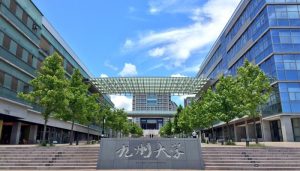
Japan has long been renowned for its advanced and disciplined education system, modern facilities, and a highly serious academic environment. Every year, Japan attracts hundreds of thousands of international students to pursue undergraduate and postgraduate studies thanks to its prestigious university system, a wide range of scholarship opportunities, and strong support programs for international students.
Renowned universities such as the University of Tokyo, Kyoto University, and Osaka University consistently rank among the top universities in the world, particularly in fields such as engineering, technology, economics, social sciences, and languages. Studying in Japan also offers students valuable access to a research-oriented, practice-based, and career-focused environment, enabling them to develop strong professional foundations and pursue promising career opportunities after graduation.
2. Requirements for Undergraduate and Postgraduate Study in Japan
After graduating from high school in Vietnam or completing high school studies in Japan, many students find themselves uncertain about whether to pursue higher education in Vietnam or study abroad. Even when choosing to study in Vietnam, students often struggle to decide which major to choose, which university to attend, and where to study. Likewise, many students have aspirations to study abroad but remain unsure about which country would be the most suitable destination.
Not only students face these concerns, but parents are also deeply involved in searching for the best opportunities for their children’s future. Therefore, Vijako would like to share with students and parents some basic requirements to help determine whether they are well suited for undergraduate or postgraduate study programs in Japan.
2.1. General Requirements for Undergraduate and Postgraduate Study in Japan
-
-
Graduated from high school (for undergraduate programs) or holding a bachelor’s degree (for postgraduate programs)
-
Good academic performance or above, clear personal background, and good health
-
A well-defined study plan with clear academic and career goals in Japan
Students are required to demonstrate their academic ability as well as foreign language proficiency in order to adapt to Japan’s rigorous academic environment.
-
2.2. Requirements for Undergraduate Study in Japan

2.3. Requirements for Postgraduate Study in Japan
2.3.1. Japanese-taught Programs 🇯🇵
This is a popular option for applicants with strong Japanese proficiency who wish to study in traditional faculties at Japanese universities.
Admission Requirements:
-
Graduation from a four-year bachelor’s degree program
-
JLPT N2 or N1 certificate
-
Many universities require applicants to contact a prospective academic supervisor before submitting the application
-
Applicants may be required to take written exams, interviews, or subject-specific tests
Required Documents:
-
Application form (university format)
-
Research Plan written in Japanese
-
Academic transcripts and graduation certificate
-
JLPT certificate
-
Letter(s) of recommendation
-
Personal documents (CV, passport, photos, etc.)
2.3.2. English-taught Programs 🇬🇧
English-taught master’s programs in Japan are increasingly popular and attract a large number of international students.
Admission Requirements:
-
Graduation from a four-year bachelor’s degree program
-
English proficiency certificate (IELTS or TOEFL iBT)
-
Japanese language proficiency not required
-
Some universities may require online interviews and/or prior contact with a supervising professor
Required Documents:
-
Online application form
-
Research Proposal / Statement of Purpose (SOP)
-
Academic transcripts and graduation certificate
-
English proficiency certificate
-
Letter(s) of recommendation
-
Personal documents (CV, passport, photos, etc.)
👉 Depending on your language proficiency, you can choose a traditional Japanese-taught program or a more flexible and internationally oriented English-taught program.
3. Tuition Fees & Scholarships
3.1. Tuition Fees
-
Public universities: approximately JPY 500,000 – 800,000 per year
-
Private universities: approximately JPY 800,000 – 1,500,000 per year
-
Average living expenses: around JPY 70,000 – 120,000 per month, depending on the area of residence
Compared to European and North American countries, tuition fees in Japan are considered relatively affordable, with a wide range of financial support policies available for international students.
By choosing to pursue undergraduate or postgraduate studies in Japan, students not only benefit from a high-quality academic environment but also enjoy significant cost savings compared to many other developed countries. In addition, international students receive strong financial support through scholarship programs, tuition fee reductions, and especially legal part-time work opportunities, which help them balance their finances throughout their studies.
3.2. Scholarships & Financial Support
-
MEXT Scholarship (Japanese Government): covers full tuition fees and living expenses
-
JASSO Scholarship: provides monthly financial support for international students
-
University-based scholarships, private organizations, and international foundations
In particular, international students studying in Japan are allowed to work part-time up to 28 hours per week, which is generally sufficient to cover a large portion of living expenses.
👉 “Undergraduate and Postgraduate Study in Japan” is not only a pathway to high-quality education, but also a smart choice for effective financial management—thanks to generous scholarship opportunities and comprehensive support from Japanese universities and the government. 🇯🇵✨
4. Thời gian nhập học Du học Đại học – Cao học tại Nhật Bản

4. Application Timeline
4.1. Undergraduate Programs
Japanese universities offer flexible curricula that combine theoretical knowledge with practical experience. Students gain access to modern laboratories, applied research projects, and internship opportunities with leading Japanese companies.
Application Periods for Undergraduate Intake:
-
April intake: Applications open from September of the previous year to January
-
October intake: Applications open from March to June of the same year
General Notes:
-
Applicants are advised to start preparing their applications at least 6–12 months before the intended intake
-
Always check the official university website for the most up-to-date information
-
Some programs integrate scholarship applications (such as MEXT or university scholarships) into the admission process, so it is important to carefully track the requirements and deadlines for each scholarship
4.2. Postgraduate Programs
Postgraduate programs in Japan focus on advanced research, close collaboration with academic supervisors, and participation in research groups. Students develop independent research topics, attend international conferences, and have opportunities to publish academic papers.
Application Periods for Master’s Programs:
-
April intake: Applications open from August to November of the previous year
-
October intake: Applications open from February to May of the same year
Important Notes:
-
Applicants should begin preparing their applications at least 9–12 months before the intended intake
-
Many programs require applicants to contact a prospective supervisor prior to application, especially for research-intensive fields
-
Some universities combine the admission process with MEXT scholarship selection or faculty-based scholarships, so it is essential to carefully review each program’s official announcements.
5. Opportunities After Graduation
5.1. Career Opportunities in Japan
Graduates may apply for Engineer/Specialist in Humanities/International Services visas and work for major Japanese corporations. One of the key advantages of studying in Japan is the high likelihood of securing employment after graduation, especially in fields such as STEM, technology, finance, languages, and engineering.
5.2. Career Opportunities in Vietnam
Graduates returning to Vietnam with degrees from Japanese universities enjoy a strong competitive advantage in the job market. Japanese companies operating in Vietnam often prioritize candidates who possess Japanese language proficiency and a solid understanding of Japanese business culture.
5.3. Long-term Residency Opportunities
After working for the required period, international graduates may apply for long-term residency or permanent residence in Japan, opening the door to a stable career and long-term settlement in a highly developed country.
See also: List of Japanese universities for international students
6. Basic Application Documents & Procedures
-
Academic degrees and transcripts
-
Language proficiency certificates (Japanese or English)
-
Letters of recommendation and a clear study plan
-
Financial documents proving the ability to cover study and living expenses
-
Student visa issued by the Japanese Embassy or Consulate
Depending on the program, specific requirements may vary; however, the application process typically takes 6–12 months. Therefore, students are strongly advised to start preparing early, especially for programs that require interviews, scholarship selection, or entrance examinations.
👉 When pursuing undergraduate or postgraduate studies in Japan, thorough preparation and a clear strategy from the outset significantly increase admission success and scholarship opportunities. Japanese universities place particular emphasis on a well-structured Study Plan, which clearly demonstrates students’ academic objectives and long-term career goals.
See also: Undergraduate Study in South Korea (D-2 Visa) – A Gateway to Global Education
Contact for Consultation
 Register for a free consultation to receive a personalized study-abroad roadmap aligned with your abilities and goals.
Head Office: 12th Floor, VTC Voice of Vietnam Building, 23 Lac Trung Street, Hanoi
 Branch Offices: 233 Tam Trinh, Hanoi
Branch Offices: 35/570 Kim Giang, Hanoi
Branch Offices: 07 Nguyen Chanh, Nam Dinh
 Hotline: 096 848 9996