

In recent years, vocational study abroad in South Korea has become a suitable pathway for many young Vietnamese people.
Unlike the four-year university route, vocational programs offer a shorter study duration with a strong focus on practical training, allowing students to secure stable employment soon after graduation. This is an ideal option for those who want to quickly acquire solid professional skills, reduce education costs, and take greater control of their future career paths.
With the support of Vinjako, the process of preparing documents and studying in vocational programs in South Korea becomes much clearer, more transparent, and significantly easier.
From consulting on choosing the right major and school, assisting with application preparation, to providing support until students settle into life in South Korea, every step is closely guided to ensure learners can confidently pursue their goals.
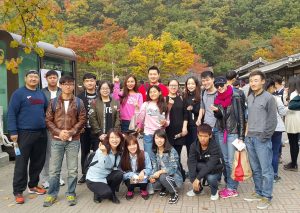
What is D2-1 Vocational Study Abroad, and Why Should You Choose Vocational Study in South Korea?
Unlike Korean language study programs (D4-1 Visa), the D2-1 visa program is specifically designed for international students enrolling in vocational colleges, technical colleges, or technical training institutes in South Korea.
Instead of focusing heavily on theory like university programs, this pathway emphasizes hands-on vocational skills training. Students study and practice in an environment closely aligned with the real needs of the Korean labor market.
Many young people choose this option because the study duration is relatively short, the costs are more affordable compared to university education, and job opportunities after graduation are highly promising. Vocational study is especially suitable for those who have a clear career orientation, want to start working early, and aim for stable income.
Why Choose Vocational Study in South Korea?
1. Short training duration with a strong focus on practical skills
Vocational study programs in South Korea typically last 2–3 years, significantly shorter than traditional university programs. The curriculum is mainly practice-oriented (accounting for about 70–80%), helping students quickly master job-specific skills and become job-ready immediately after graduation.
2. Affordable costs for most international students
Tuition fees range from USD 4,000 – 7,000 per year, which is considerably lower than studying in Europe or the United States. Students are allowed to work part-time legally, enabling them to cover a large portion of their living expenses and reduce the financial burden on their families.
3. Strong employment prospects with attractive income
South Korea is currently facing labor shortages in many technical and service industries. Over 80% of vocational graduates secure stable employment after graduation, with an average income of USD 1,800 – 2,500 per month. In addition, returning to Vietnam also offers excellent career opportunities due to the strong presence of Korean-invested companies.
4. Government support and attractive benefits
The Korean government actively encourages international students to participate in vocational study programs through various support policies, including tuition reductions, housing and living assistance, and opportunities to change to a work visa or long-term residency. These incentives provide strong reassurance for students to focus on their studies and long-term career development.
Program Requirements

To apply for the D2-1 Vocational Study Program in South Korea, applicants must meet several basic requirements. First, candidates must have graduated from high school (or equivalent) and be at least 18 years old. Applicants must be in good health, free from infectious diseases, and meet the required medical examination standards. In addition, they must have sufficient financial capacity to cover tuition fees, living expenses, and application-related costs.
Another important factor is Korean language proficiency. Generally, applicants are expected to have at least TOPIK Level 2. However, many Korean institutions offer intensive Korean language programs for students who have not yet met this requirement. After enrollment, students will continue to strengthen their language skills to ensure they can follow their vocational courses effectively.
In summary, the key requirements for vocational study in South Korea include:
-
Being 18 years old or above and having graduated from high school
-
Having basic Korean proficiency (TOPIK Level 2 or higher) or enrolling in an intensive Korean language course
-
Being in good health, with no infectious diseases
-
Having sufficient financial capability to cover tuition and living expenses
-
Submitting a valid application dossier that meets the requirements of the school and the Korean Embassy
Costs of Participating in the Vocational Study Program in South Korea
1. Tuition Fees
One of the main reasons many students choose this program is its reasonable cost. The average total tuition fee for a vocational program ranges from USD 5,000 to 10,000 (approximately VND 130–210 million) for the entire course.
Tuition fees alone typically range from USD 3,000 to 6,000, depending on the major and the institution. Additional costs may include living expenses, insurance, and dormitory fees, but overall, the total cost remains lower than in many other countries.
2. Living Expenses
2.1. University Dormitory
-
Cost: KRW 200,000 – 500,000 per month
-
Advantages: Safe, close to campus, convenient, and sometimes includes meals
-
Disadvantages: Limited privacy, fixed curfew hours
Many universities provide dormitories for international students, usually accommodating 2–4 students per room. Some dormitories require payment by semester (6 months) or by year.
2.2. Renting a Private Room (One-room / Two-room)
-
Cost: KRW 300,000 – 800,000 per month (excluding management fees, utilities, electricity, gas)
-
Advantages: More privacy and flexibility
-
Disadvantages: Requires a security deposit (key money) of KRW 1,000,000 or more, higher living costs
This option is more suitable for second-year students and above, especially those who have part-time income or share accommodation with friends.
2.3. Food Expenses in South Korea
Eating at school
-
Average cost: KRW 2,500 – 5,000 per meal
-
Many universities offer clean and affordable cafeterias serving 2–3 meals per day.
Eating out
-
Average cost: KRW 5,000 – 10,000 per meal at casual restaurants
-
Popular options include kimbap, ramen, and fried chicken.
Cooking at home
-
Grocery cost: approximately KRW 150,000 – 250,000 per month
-
Supermarkets such as Homeplus, E-mart, Lotte Mart, and local markets offer a wide variety of food, including Vietnamese products.
Tip: Combining school meals with home cooking helps save money while maintaining proper nutrition.
In addition to these basic expenses, students should also budget for transportation, study-related costs, and personal expenses such as shopping and entertainment. On average, monthly living expenses range from KRW 500,000 – 700,000 (approximately VND 9–13 million), depending on individual lifestyle.
3. Part-time Work Opportunities
Although the costs may seem high at first, international students are allowed to work part-time while studying vocational programs in South Korea.
International students can work up to 20 hours per week during semesters and without hourly limits during holidays, provided they meet visa requirements (usually TOPIK Level 2 or having studied in Korea for at least 6 months).
Common part-time jobs include:
-
Restaurants and cafés: ~KRW 9,000 – 12,000/hour
-
Factory or production work: ~KRW 10,000 – 13,000/hour
-
Teaching Vietnamese or English: ~KRW 15,000 – 30,000/hour
With good time management, students can earn approximately KRW 600,000 – 1,200,000 per month, which is enough to cover living expenses and save a portion for personal use.
Admission Intakes and Study Duration
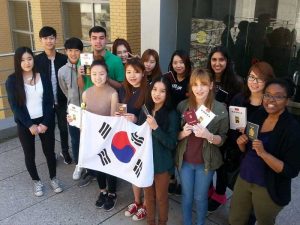
Vocational programs in South Korea typically last about 1.5 to 2 years. The main admission intakes are March and September each year. During the study period, international students are allowed to work part-time for up to 20 hours per week. During long vacations, students may work full-time to earn additional income, helping to reduce financial pressure. This is also a valuable opportunity for students to gain practical work experience while studying.
Typical Study Schedule at Vocational Schools:
-
Number of class days: 5 days per week (Monday to Friday)
-
Class duration: Approximately 3–6 periods per day, depending on the major and registered credits
-
Length of each semester: 15–16 weeks (excluding mid-term breaks and summer/winter vacations)
Diverse Training Majors
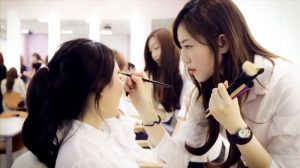
Vocational study programs in South Korea cover a wide range of fields, meeting the practical demands of the labor market. Many Vietnamese students choose majors such as engineering, mechanics, electronics, information technology, nursing, hospitality, and other service-related industries with high employment potential. Most of these fields have strong partnerships with enterprises, creating favorable conditions for students to take part in internships and secure jobs easily after graduation.
A key strength of vocational education in South Korea is the effective combination of theory and hands-on practice. Students not only study in classrooms but also regularly participate in internships at partner companies of their schools, helping to bridge the gap between learning and working. This significantly increases the chances of finding employment in South Korea after graduation.
South Korea is one of the world’s leading countries in aesthetics, technology, and tourism. Therefore, students can base their choices on key industries with strong development potential when selecting a vocational study program in South Korea. At the same time, students can also choose majors that align with their personal interests and passions.
Below are some of the most popular vocational majors for international students studying in South Korea:
-
Cosmetology & Beauty Care
-
Nursing & Caregiving
-
Aquaculture and Seafood Processing
-
Mechanical Engineering / Mechanics
-
Garment & Fashion Industry (manufacturing, design, supervision)
-
Electronics Engineering
-
Automotive Technology
-
Hotel Management
-
Culinary Arts / Cooking (not applicable for students with Hepatitis B)
-
Software Development / Software Processing
-
Construction & Civil Works
-
Organic Agriculture
Vocational Study Abroad Admission Process in South Korea at Vijako
✅ 1. Preparation of Personal Documents
- Passport, ID photos, visa application form, letter of admission, and the school’s business license.
- Academic transcripts, graduation certificate, birth certificate, citizen ID card, household registration book – all documents must be translated and notarized into English or Korean.
- Bank savings account for financial proof: from USD 10,000–12,000.
- Medical check-up certificate, criminal record certificate, certificate of marital status (if applicable).
- Personal information declaration form and other required registration forms.
✅ 2. Consular Legalization
Important documents such as diplomas, transcripts, medical certificates, and criminal records must be consularly legalized at the Ministry of Foreign Affairs to be officially recognized in South Korea.
✅ 3. Submit Application to the School & Wait for Admission Letter
- Submit the application to a Korean vocational college → review period: 1–6 weeks.
- Once accepted, the school will issue a letter of admission and tuition details → students pay the tuition to confirm enrollment.
✅ 4. Apply for the D2-1 Visa
- After receiving the admission letter and paying tuition, submit the visa application at the Korean Embassy/Consulate.
- Visa processing time: approximately 2–4 weeks, depending on whether the school has a visa code.
✅ 5. Visa Interview
- If required, students will attend a direct interview at the consulate.
- Interview topics include: study goals, reasons for choosing the school/major, financial capability, and future plans.
✅ 6. Receive Visa & Prepare for Departure
- Upon passing the interview, students are granted the D2-1 visa → prepare for entry into South Korea and officially begin their vocational study journey.
Career Opportunities After Graduating from a Vocational Study Program in South Korea
One of the greatest advantages of vocational study in South Korea is the wide range of employment opportunities after graduation. Upon completing the program, students can apply for jobs at Korean companies or change to a work visa to stay and work long-term in South Korea. In addition, for those who wish to further their education, students may also transfer to higher-level programs such as university or master’s degrees.
Wages in South Korea for skilled workers are quite attractive. With vocational certificates, academic qualifications, and hands-on experience, graduates can confidently apply for jobs in a professional, stable working environment with competitive benefits. This is one of the main reasons why more and more young people are choosing vocational education instead of the traditional university pathway.
Conclusion
Vocational study in South Korea is a short yet solid pathway to building a sustainable career in the future. With reasonable costs, a shorter study duration, and strong job prospects, this option is truly worth considering for those who want to enter the workforce early and have clear career goals. Vijako will always be a reliable companion, supporting you from the preparation stage all the way to success in the Land of the Morning Calm 🇰🇷✨
>> Xem thêm: DU HỌC NGHỀ TẠI ĐỨC 2025: MIỄN 100% HỌC PHÍ, NHẬN TRỢ CẤP TỚI 1.300€/THÁNG & CƠ HỘI ĐỊNH CƯ SAU 2 NĂM LÀM VIỆC
Contact for Consultation
👉 Register for a free consultation to receive a personalized study-abroad roadmap aligned with your abilities and goals.
Head Office: 12th Floor, VTC Voice of Vietnam Building, 23 Lac Trung Street, Hanoi
 Branch Offices: 233 Tam Trinh, Hanoi
Branch Offices: 35/570 Kim Giang, Hanoi
Branch Offices: 07 Nguyen Chanh, Nam Dinh
 Hotline: 096 848 9996